All Football
Get the app
Sky Sports: FA reveals reasons for overturning Leny Yoro's red card as Isak lacked control
According to Sky Sports, the FA has published its written reasons for overturning the red card shown to Man Utd defender Leny Yoro away at Liverpool—even though refereeing body Pro Ref believes the on-field official's decision was correct.
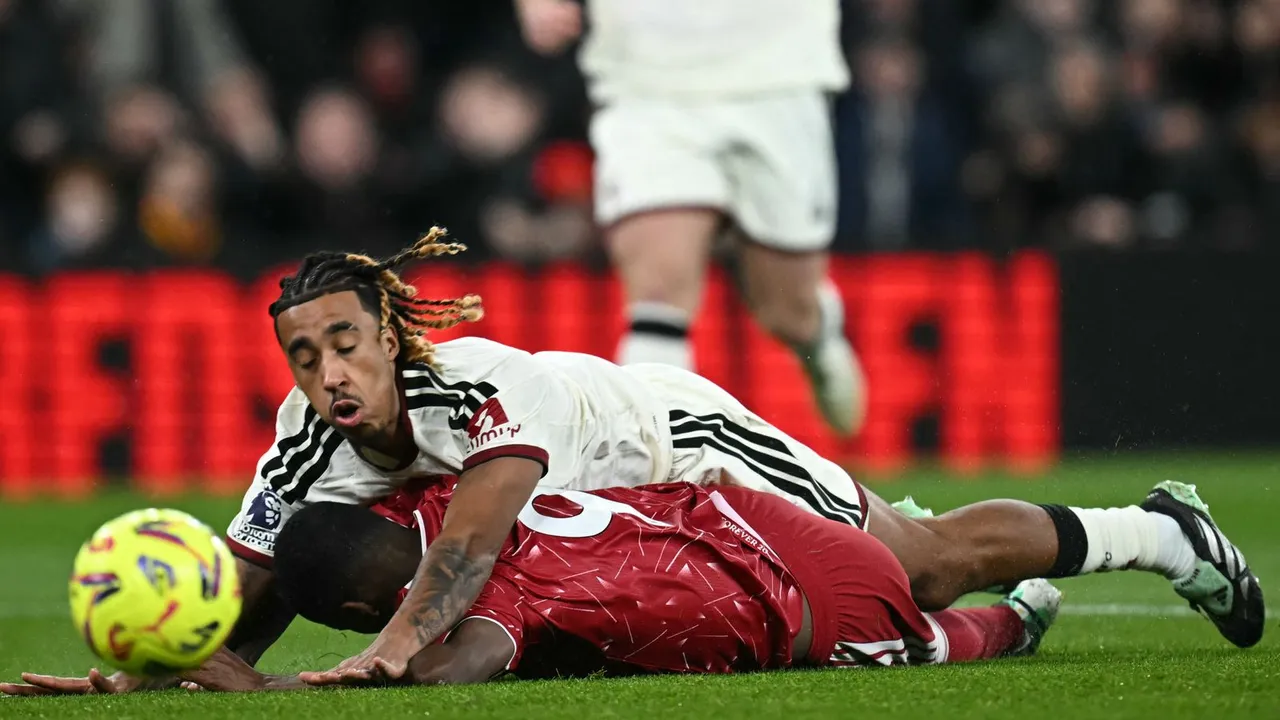
Yoro was acting as the last defender when he brought down Liverpool forward Alexander Isak outside the penalty area. Referee Sam Barrott sent him off for denying an obvious goalscoring opportunity (DOGSO), a decision that VAR John Brooks agreed with.
Man Utd went on to concede four goals in that heavy defeat to Liverpool. Although Pro Ref chief refereeing officer Howard Webb stated that the decision was correct, the FA decided to overturn the red card on the grounds of an "obvious error" by the officiating team, as Isak was not in control of the ball when fouled.
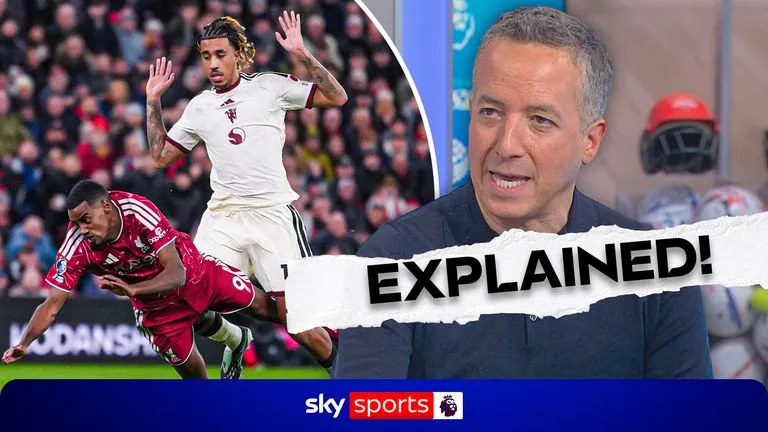
In the written reasons, a three-person panel consisting of three former professional players—including one goalkeeper—stated that Isak's touch was too heavy and he "had effectively lost control of the ball," which under the laws of the game meant Yoro should not have been sent off.
The statement read: "The panel members were unanimous that, had Yoro's foul not occurred, Isak would not have had an obvious goalscoring opportunity."
"Although Isak initially touched the ball, his touch was too heavy and he had effectively lost control of it. In the panel's view, possession had effectively transferred to the advancing Man Utd goalkeeper, who would have been able to catch or parry the ball before Isak could reach it and shoot."
"In the panel's view, the referee's decision that Isak would have had an obvious goalscoring opportunity was an 'obvious error'."
The written reasons also noted that Man Utd provided substantial "evidence" to explain why Yoro should not have been sent off. In addition to submitting video footage of the incident from three different angles, they also provided clips of Pascal Struijk's overturned red card in Brighton's match against Sunderland.
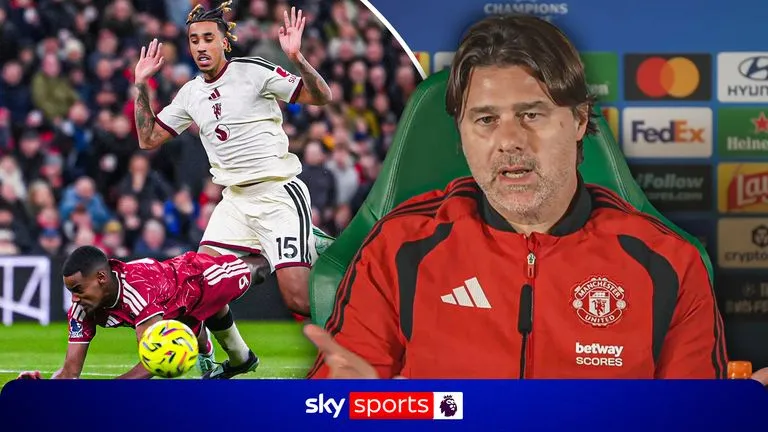
Man Utd's analysis also claimed that Isak was "at least 1.8 metres away from reaching the ball." The FA stated that it could not independently verify this analysis, so it "treated it with caution and attached appropriate weight to it accordingly."
On the latest episode of Match Officials Mic'd Up, Pro Ref chief Webb backed the officiating team's process, though he was somewhat ambivalent when sharing his own view on the incident.
Webb said: "Overall, most people would think that's a correct decision because Isak is running onto the ball at speed."
"The counter-argument is that Senne Lammens might have got there first, but I think that's a bit debatable. Certainly, it's nowhere near an obvious error."
Audio from the officiating team showed that VAR Brooks, who backed referee Barrott's decision, determined that Isak would "likely" have reached the ball before Lammens. His assistant VAR, Paul Howard, agreed.
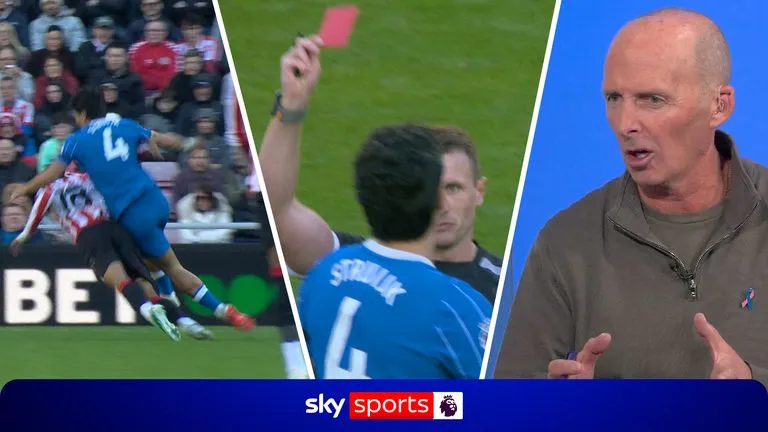
This is not the first time this season that a red card for denying an obvious goalscoring opportunity has sparked disagreement within football's governing bodies.
In October, two independent panels disagreed over whether Brighton's Struijk should have been sent off away at Sunderland—an incident Man Utd used as evidence to successfully overturn Yoro's red card.
In the second half of that match, Struijk was penalised for fouling Sunderland forward Wilson Isidor as he chased a pass played toward goalkeeper Bart Verbruggen, resulting in a red card for denying an obvious goalscoring opportunity.
Referee Thomas Bramall and his assistant initially did not award a foul, but VAR Neil Davies intervened and recommended an on-field review. After watching several replays, Bramall changed his decision and sent Struijk off.
However, Brighton appealed, and an independent regulatory commission convened by the FA to handle disciplinary matters overturned the red card and the subsequent one-match ban.
Yet disagreement over the decision continued after the Key Match Incidents (KMI) panel—another independent panel responsible for assessing the validity of refereeing decisions—voted 3-2 that the VAR intervention was correct.
The KMI panel ruled that Struijk committed a "cynical foul that clearly affected the attacking player's ability to gain possession, which the referee should have penalised."